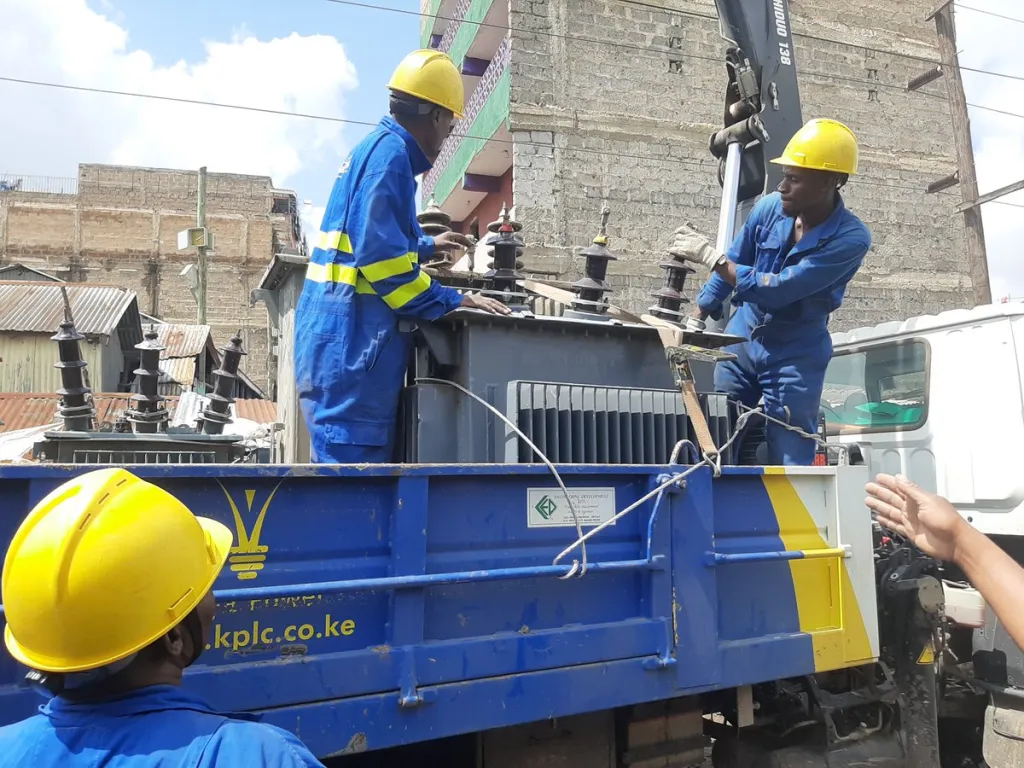
Pressure is now mounting on the National Treasury and the Energy and Petroleum Regulatory Authority as Kenyans wait to see whether lower electricity bills will finally take effect following fresh negotiations between Kenya Power and Independent Power Producers.
The two institutions are yet to approve revised power contracts that are expected to reduce the cost of electricity.
Kenya Power has already completed talks with several Independent Power Producers to review Power Purchase Agreements that have long been blamed for driving up electricity prices.
The new terms, which aim to cut tariffs and convert contracts from foreign currency to Kenya Shillings, were finalised during the financial year ending June 2025 and submitted to Treasury and Epra for review, according to the Auditor-General.
The renegotiations were carried out to ease the heavy cost burden faced by the power distributor, expenses that are passed directly to consumers through high monthly bills. The Auditor-General notes that progress had been made in addressing contracts considered unfavourable to the utility firm.
“Management indicated that significant steps had been taken towards renegotiating unfavourable PPAs, where agreements had been secured to lower tariffs and shift contracts to Kenya Shillings,” Auditor-General Nancy Gathungu says.
Despite the progress, the public auditor cautions that Kenyans will not feel any relief until the revised agreements receive formal approval from both Treasury and the energy regulator. Without that approval, the renegotiated terms remain unenforceable.
The Auditor-General explains that until the approvals are granted, Independent Power Producers will continue selling electricity to Kenya Power at higher rates. This situation, she notes, weakens the impact of cheaper electricity supplied by the State-owned Kenya Electricity Generating Company.
“However, the revised terms were yet to be formalised through approvals from Epra and the National Treasury. Until such negotiations are concluded and requisite approvals obtained, the disparities in costs between power supplied from KenGen and IPPs will continue to persist,” she says.
Questions sent to Epra on the status of the approvals did not receive a response from Director-General Daniel Kiptoo. The delay comes as Kenya Power continues to spend heavily on electricity purchases.
During the year ending June 2025, the utility firm bought 14,472 gigawatt-hour units of electricity worth Sh144.66 billion from KenGen and Independent Power Producers.
The Auditor-General has repeatedly flagged the wide cost gap between power sourced from Independent Power Producers and electricity generated by KenGen. While figures for the 2025 financial year were not provided, concerns over pricing remain.
High electricity costs have largely been linked to strict and costly clauses embedded in power purchase contracts signed with Independent Power Producers, many of which have faced sustained criticism over the years.






























